What Queensland Law Actually Says About Dividing Fences
If you are planning a new fence along your property boundary, you are not just dealing with a building project. You are also stepping into a legal framework that sets out who is responsible, who pays, and what happens if your neighbour disagrees.
In Queensland, dividing fence rules sit under the Neighbourhood Disputes (Dividing Fences and Trees) Act 2011. This legislation covers everything from cost sharing to the process for resolving disagreements, and it applies to most residential properties across Brisbane Northside and the Moreton Bay region.
What Counts as a Dividing Fence
A dividing fence is any fence that sits on or near the common boundary between two properties. It does not need to sit exactly on the boundary line to qualify, but it must serve the purpose of separating the two lots.
Retaining walls, garden borders, and internal fences within a single property do not fall under the same rules. If you are unsure whether your planned fence qualifies, a local fencing contractor can usually clarify this before work begins.
Who Pays for a Dividing Fence in Queensland
Under Queensland law, adjoining owners share the cost of a dividing fence equally. This applies to both the initial construction and any future repairs or replacement, as long as the fence is of a standard that is appropriate for the area.

The equal split applies to a fence of standard construction. If one owner wants something more elaborate, such as a higher fence or a premium material, they are responsible for covering the extra cost above the standard. The neighbour is only obligated to contribute to the reasonable baseline.
Understanding the fence cost in Brisbane before approaching your neighbour puts you in a much stronger position. You can have a specific, informed conversation rather than a vague one.
The Notice Process You Need to Follow
Before any work starts, you must give your neighbour a formal fencing notice. This is a written document that outlines the proposed fence, the boundary location, the materials to be used, and the estimated cost.
Your neighbour then has 30 days to respond. They can agree, propose changes, or dispute the notice. If they do not respond within that period, you may be able to proceed and recover their share of the costs later, but the process for doing so has specific steps you need to follow correctly.
Skipping the notice process is one of the most common mistakes homeowners make. Without it, recovering costs from a neighbour becomes significantly harder, even if the fence is clearly needed.
What Happens If Your Neighbour Refuses to Contribute
If your neighbour disputes the fence or refuses to pay their share, the matter can be taken to the Queensland Civil and Administrative Tribunal. The dividing fence dispute process at QCAT is designed to be accessible to homeowners without legal representation, and decisions are legally binding.

Before escalating to a tribunal, you are generally expected to attempt to resolve the matter through negotiation or a community mediation service. QCAT will want to see that you made a genuine effort to reach agreement first.
Most disputes do not reach this stage. A clear written notice and a reasonable proposal resolve the majority of disagreements before they escalate.
Situations Where the Equal Split Does Not Apply
There are circumstances where the standard 50/50 rule shifts. If one owner damaged the fence, they are responsible for the repair costs. If a property is vacant land with no improvements, different rules may apply to the owner’s obligations.
Tenanted properties add another layer. Tenants generally cannot initiate the fencing notice process or agree to costs on behalf of a landlord. If your neighbour is a tenant, you will need to deal directly with the property owner.
Local council requirements can also affect what type of fence is considered standard for your area. Some Brisbane Northside suburbs have specific height or material expectations that influence what both owners are obligated to contribute toward.
Choosing a Fence Both Owners Can Agree On
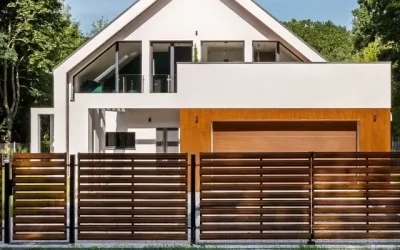
Practical agreement is easier when both owners understand what they are getting. A timber fence is one of the most commonly agreed-upon options in Brisbane’s residential areas because it suits a wide range of budgets and property styles.
Bringing a written quote to the conversation with your neighbour makes the discussion concrete. Vague proposals tend to stall; specific ones tend to move forward.

If your neighbour wants a different material or style, that is a conversation worth having early. Agreeing on the specification before work is quoted saves time and avoids disputes over what was actually agreed.
What to Do Before You Call a Fencing Contractor
Confirm the boundary location before anything else. If there is any uncertainty about where the boundary sits, a registered surveyor can establish this formally. Building a fence on the wrong side of the boundary creates legal and practical problems that are expensive to fix.
Check whether your local council requires a development approval for the fence. Most standard residential fences in Queensland do not need one, but height, location near a road, or heritage overlays can change that.
Once you have the boundary confirmed and the notice process underway, a fencing contractor can provide a quote that reflects the actual scope of the job.
Ready to Move Forward With Your Fence?
Navigating the rules around dividing fences is straightforward once you know the steps. If you want practical advice on materials, costs, or the process for your specific property, our team is happy to talk it through with you.
For fencing north Brisbane homeowners can rely on, call us on (07) 3184 8531 or send us a message through our fencing enquiry form. We work across Brisbane Northside and the Moreton Bay region and can provide a clear, itemised quote to take to your neighbour.